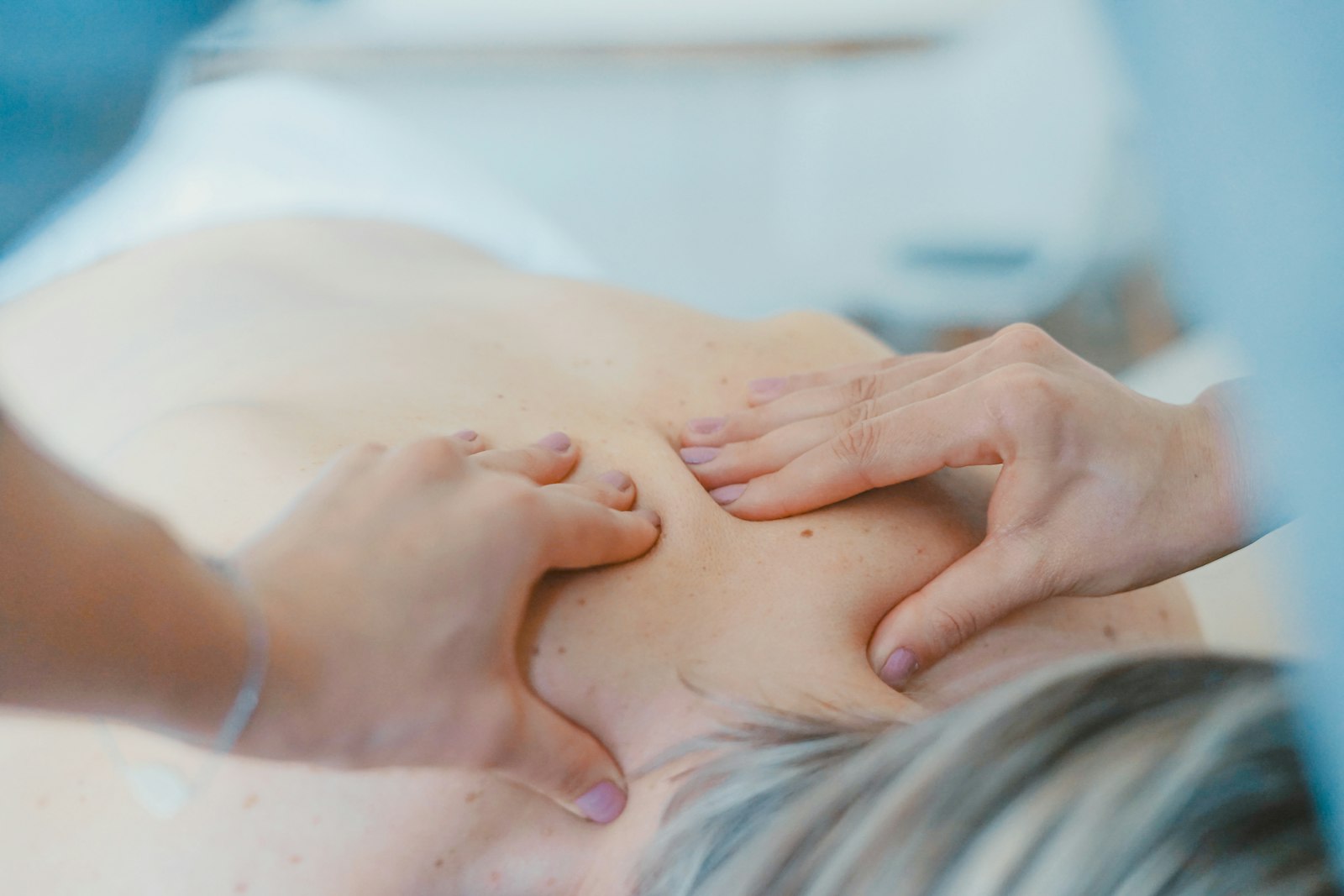
Neck and head
TMJ Disorders
Problems at the jaw joint, which InTouch names on its list of treated musculoskeletal conditions and which are closely tied to neck mechanics.
What people notice
Signs that bring people in.
- Clicking, catching or grating when opening the jaw
- Pain in front of the ear when chewing
- Difficulty opening the mouth fully
- Aching through the jaw and temple by the end of the day
- Waking with a tight or tired jaw
How we approach it.
The jaw is a joint, and it responds to assessment and manual treatment like other joints do. It is also unusually sensitive to what the neck is doing, which is why treating it in isolation often disappoints.
If your symptoms point toward a dental or bite issue rather than a musculoskeletal one, we will tell you and point you to the right professional rather than treating around it.
What tends to be behind it.
Rarely one thing. These are the contributors the exam looks for, and the reason the assessment covers more than the spot that hurts.
01
Clenching and grinding
Sustained overnight or stress related clenching loads the joint and its muscles for hours without a break.
02
Neck posture
A forward head position changes the resting position of the jaw and how it tracks when it opens.
03
Uneven chewing habits
Consistently favouring one side loads that joint disproportionately over years.
04
Previous impact
An old blow to the jaw or face can leave altered joint mechanics that never fully settled.
InTouch is an integrated rehabilitation centre. Care here is directed at restoring movement and function, and every plan begins with an individual assessment rather than an assumption about your diagnosis.
The care we’d likely use
Related services
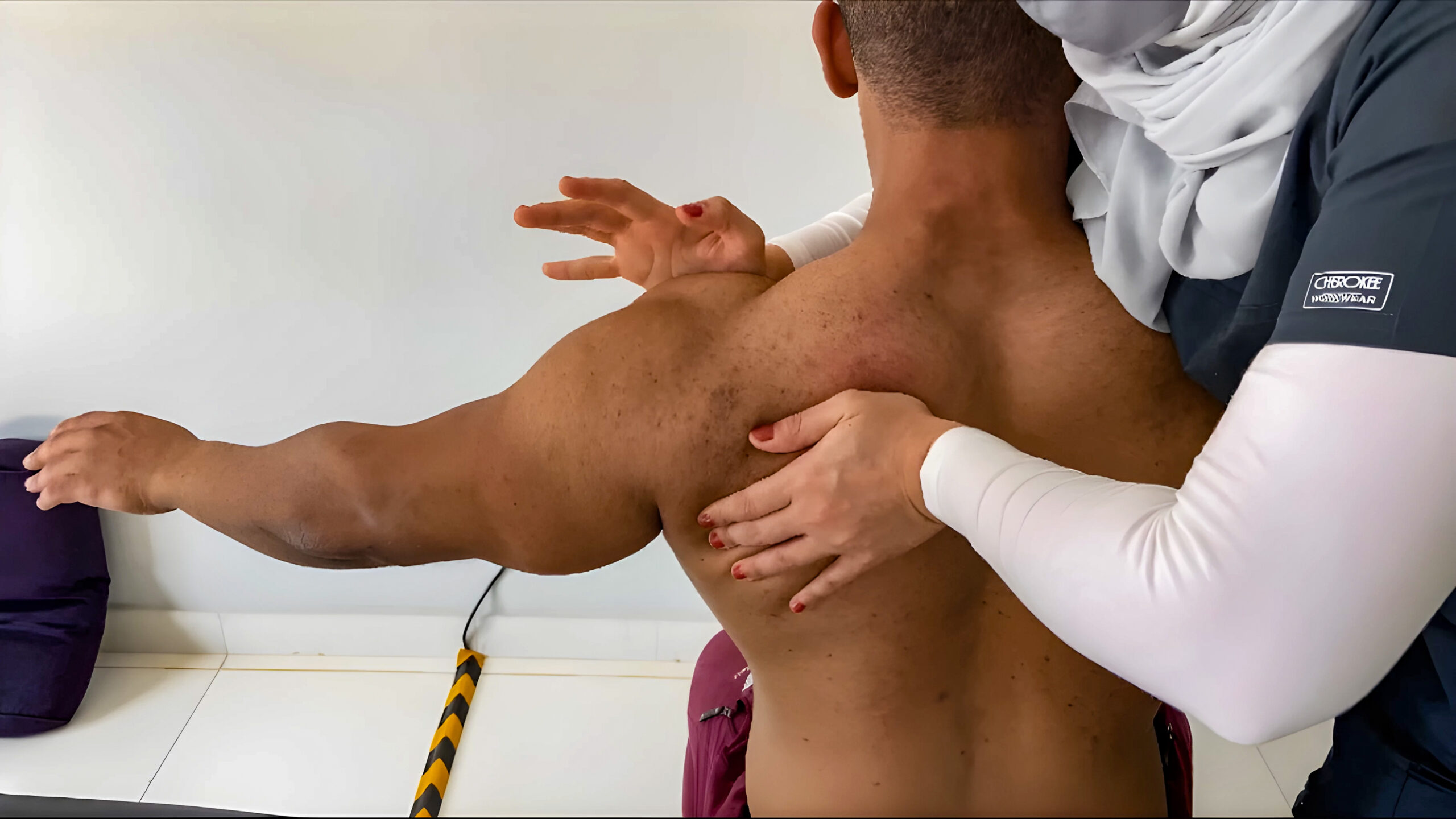
At the practice
Care addresses the jaw and the neck together, using manual therapy alongside advice on load, habits and the positions that keep aggravating it.
What happens next
What care looks like here.
The same first visit regardless of what brought you in, and nothing is decided until the findings are in front of you.
Step 1
Assessment
A full history and physical assessment, because the discipline you booked is not automatically the one you need.
Step 2
Findings and plan
What we found, explained in plain terms, and an integrated plan that can draw on any of the five disciplines here.
Step 3
Treatment
Hands-on care from the practitioners the plan calls for, with the teams talking to each other rather than working in parallel.
Step 4
Rehabilitation
Exercise rehabilitation to rebuild strength and control, plus the prevention work that keeps you from coming back for the same thing.
What happens after the first visit
InTouch does not publish fixed course lengths, and care is reviewed as you progress rather than run to a set number of sessions. What comes next is decided from how you respond, and it can draw on any of the five disciplines in the building.
Start here
Your health deserves
better.
Whether something hurts today or you simply want to move well for a long time, it starts with one visit.