
Sport and injury
Ligament Tears and Sprains
Ligament tears and sprains are on InTouch's treated list, and they are where rushing the timeline costs the most.
What people notice
Signs that bring people in.
- Swelling appearing within hours of the injury
- A feeling of instability or giving way
- Pain on weight bearing or changing direction
- Reduced range of movement at the joint
- Ongoing lack of confidence in the joint under load
How we approach it.
Ligament injuries heal on a tissue timeline that cannot be shortened by enthusiasm, and the work during that window determines what the joint is like afterwards.
Assessment establishes the grade and what is stable. Where something needs imaging or a surgical opinion, we say so rather than working around it.
What tends to be behind it.
Rarely one thing. These are the contributors the exam looks for, and the reason the assessment covers more than the spot that hurts.
01
Twisting under load
A planted foot with the body rotating over it is the classic mechanism for knee and ankle ligament injury.
02
Direct impact
Contact sport regularly delivers force to a joint from a direction it is not built to resist.
03
Landing mechanics
Landing with poor control through the hip and knee concentrates force at the ligament rather than sharing it.
04
Previous sprain
A prior sprain that was never fully rehabilitated leaves reduced joint position sense, and re-injury rates reflect that.
InTouch is an integrated rehabilitation centre. Care here is directed at restoring movement and function, and every plan begins with an individual assessment rather than an assumption about your diagnosis.
The care we’d likely use
Related services
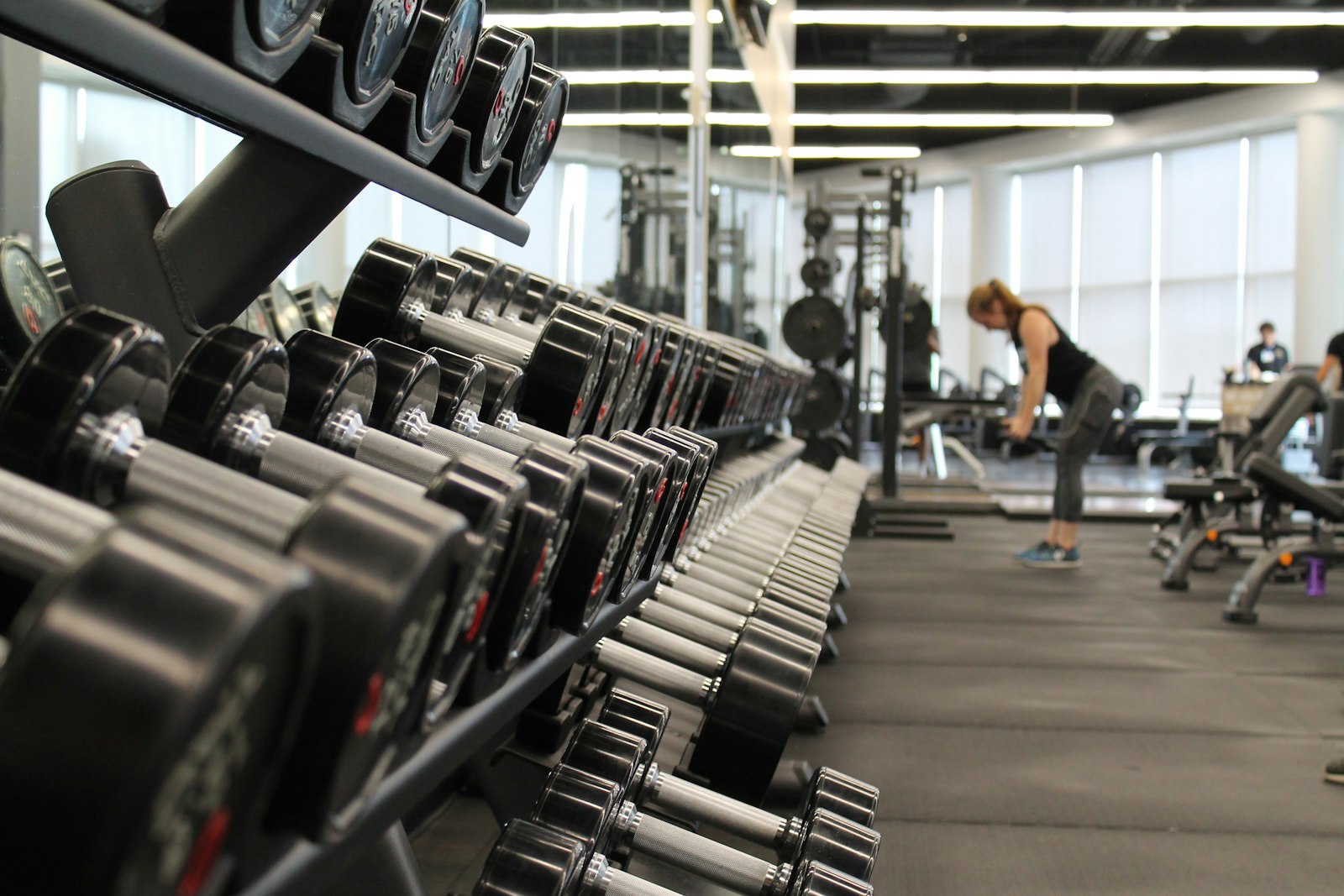
At the practice
Care protects the joint early, then rebuilds strength, joint position sense and confidence through a staged return to the demands of your sport.
What happens next
What care looks like here.
The same first visit regardless of what brought you in, and nothing is decided until the findings are in front of you.
Step 1
Assessment
A full history and physical assessment, because the discipline you booked is not automatically the one you need.
Step 2
Findings and plan
What we found, explained in plain terms, and an integrated plan that can draw on any of the five disciplines here.
Step 3
Treatment
Hands-on care from the practitioners the plan calls for, with the teams talking to each other rather than working in parallel.
Step 4
Rehabilitation
Exercise rehabilitation to rebuild strength and control, plus the prevention work that keeps you from coming back for the same thing.
What happens after the first visit
InTouch does not publish fixed course lengths, and care is reviewed as you progress rather than run to a set number of sessions. What comes next is decided from how you respond, and it can draw on any of the five disciplines in the building.
Start here
Your health deserves
better.
Whether something hurts today or you simply want to move well for a long time, it starts with one visit.