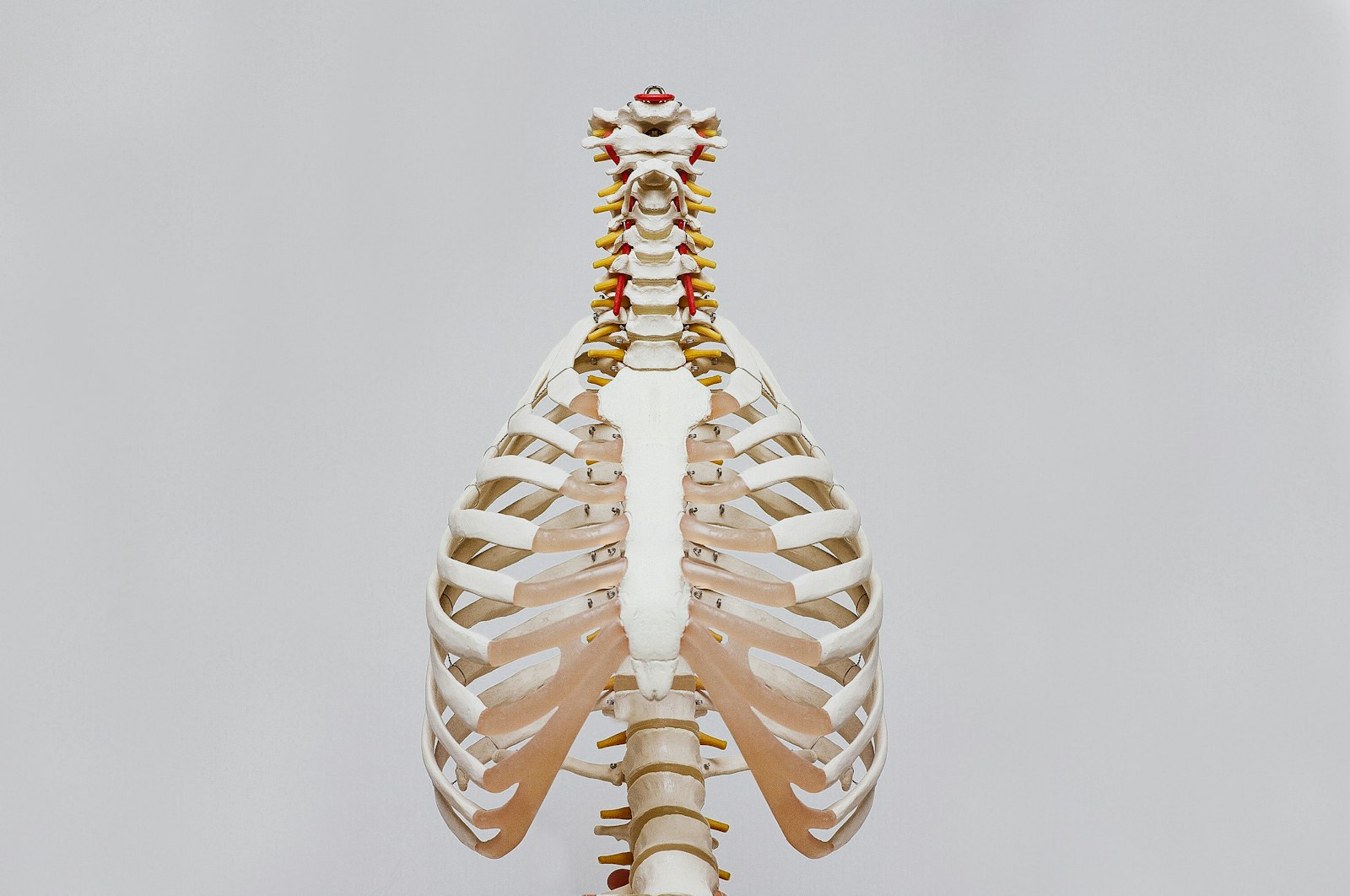
Spine and back
Sciatica
Pain that travels from the lower back down through the buttock and leg, often further down than the original problem feels.
What people notice
Signs that bring people in.
- Pain running from the lower back into the buttock and down the leg
- Pins and needles or numbness through the calf or foot
- A sharp catch when standing from a seated position
- Symptoms worsening after long periods sitting still
- Weakness or a heavy feeling in one leg
How we approach it.
Sciatica is named directly on InTouch's own list of the musculoskeletal problems the clinic treats. It is a description of a symptom pattern rather than a single diagnosis, which is exactly why the assessment matters more than the label.
The clinic's approach is to work out what is actually irritating the nerve path before treating it, then combine hands-on care with rehabilitation that addresses why the load kept landing there.
What tends to be behind it.
Rarely one thing. These are the contributors the exam looks for, and the reason the assessment covers more than the spot that hurts.
01
Lumbar joint irritation
Restriction or irritation in the lower spinal segments can refer symptoms along the nerve path into the leg.
02
Deep gluteal tension
Sustained tightness through the deep hip muscles can compress or irritate the nerve as it passes through.
03
Sustained flexed postures
Long spells sitting, particularly while driving, keep the lower spine loaded in one position.
04
Unresolved earlier injury
An old back or hip injury that never fully rehabilitated leaves movement patterns that concentrate load in the same place.
InTouch is an integrated rehabilitation centre. Care here is directed at restoring movement and function, and every plan begins with an individual assessment rather than an assumption about your diagnosis.
The care we’d likely use
Related services
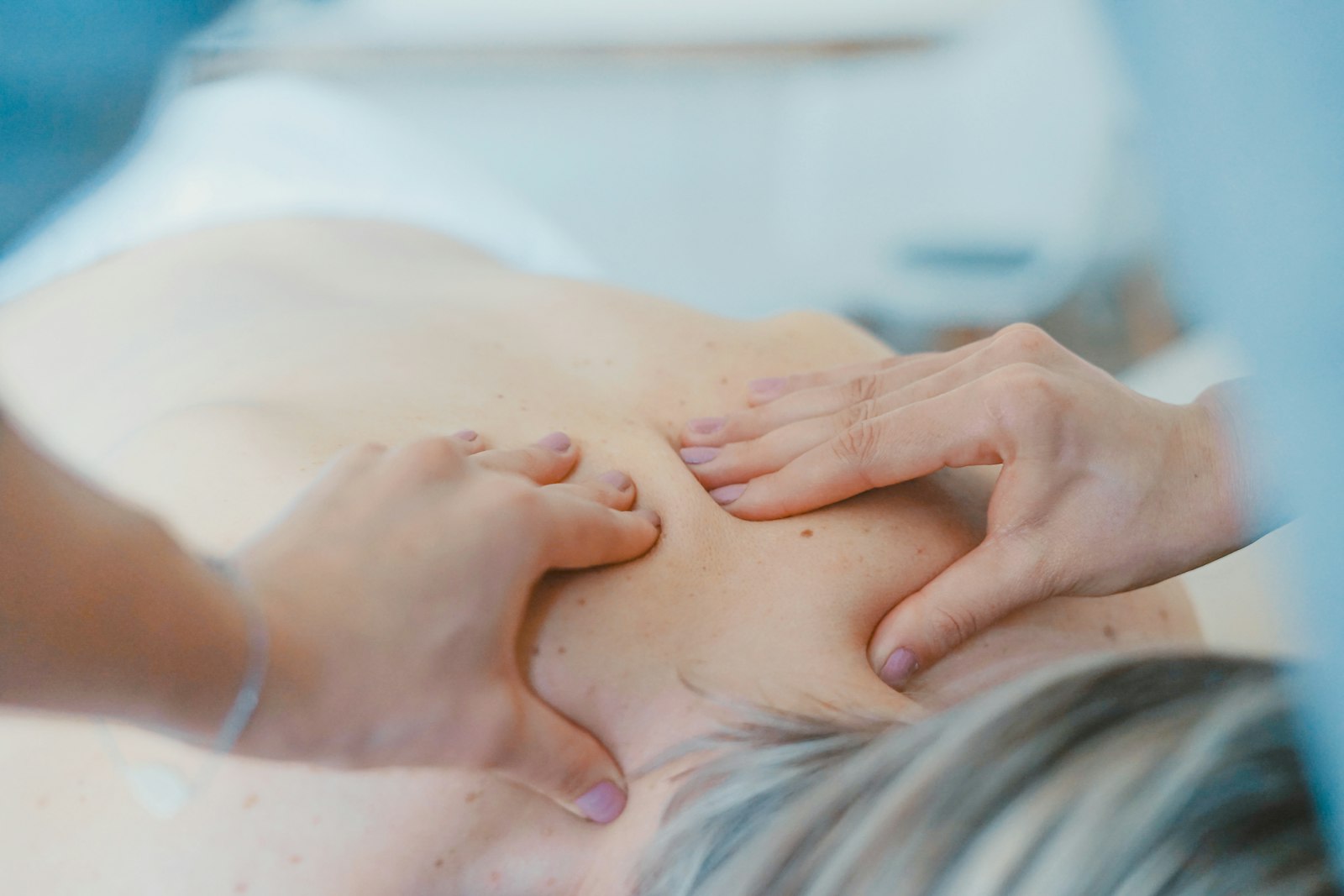
At the practice
Care combines manual work to settle the irritated area with progressive rehabilitation aimed at the hip and trunk control that keeps the nerve path clear.
What happens next
What care looks like here.
The same first visit regardless of what brought you in, and nothing is decided until the findings are in front of you.
Step 1
Assessment
A full history and physical assessment, because the discipline you booked is not automatically the one you need.
Step 2
Findings and plan
What we found, explained in plain terms, and an integrated plan that can draw on any of the five disciplines here.
Step 3
Treatment
Hands-on care from the practitioners the plan calls for, with the teams talking to each other rather than working in parallel.
Step 4
Rehabilitation
Exercise rehabilitation to rebuild strength and control, plus the prevention work that keeps you from coming back for the same thing.
What happens after the first visit
InTouch does not publish fixed course lengths, and care is reviewed as you progress rather than run to a set number of sessions. What comes next is decided from how you respond, and it can draw on any of the five disciplines in the building.
Start here
Your health deserves
better.
Whether something hurts today or you simply want to move well for a long time, it starts with one visit.